
Freezing nights have a way of finding the weak spots in a home’s plumbing: the pipe along an outside wall, the hose still attached to the spigot, the water heater that has been quietly struggling since spring. An afternoon of checks now costs far less than cleaning up after a burst pipe in January. Here is where to look before the cold settles in.
Which Pipes Are Most Likely to Freeze?
Pipes in unheated spaces go first: crawl spaces, attics, garages, and lines along exterior walls, including those under a sink on an outside wall.
University of Illinois Extension recommends insulating the pipes most likely to freeze and keeping your heat at 55°F or higher, even when you travel. On the coldest nights, open the cabinet doors under those sinks and let a faucet trickle, since moving water is much harder to freeze.
Find Small Leaks Before the Cold Does
Winter rarely creates a leak on its own, but it makes an existing one worse. Check your basement and utility areas for damp spots, stains, or crusty buildup on pipe fittings.
Two quick tests from the EPA’s WaterSense leak-checking tips catch what you can’t see. Add food coloring to your toilet tank and see whether color reaches the bowl within 10 minutes. Then read your water meter, use no water for two hours, and read it again. If the number changed and you can’t find a drip, the leak may be in a buried or hidden line, which calls for a water line repair service.
Give Your Water Heater a Pre-Winter Check
Your water heater works harder in winter because the water entering the tank is colder. Look around the base for moisture, check the tank and connections for rust, and listen for popping or rumbling, which usually points to sediment buildup.
The Department of Energy’s Home Energy Checklist suggests a thermostat setting of 120°F, which saves energy and lowers the risk of scalding. A tank that is leaking or rusting through usually needs water heater replacement rather than repair, and it is easier to plan in fall than during a cold snap.
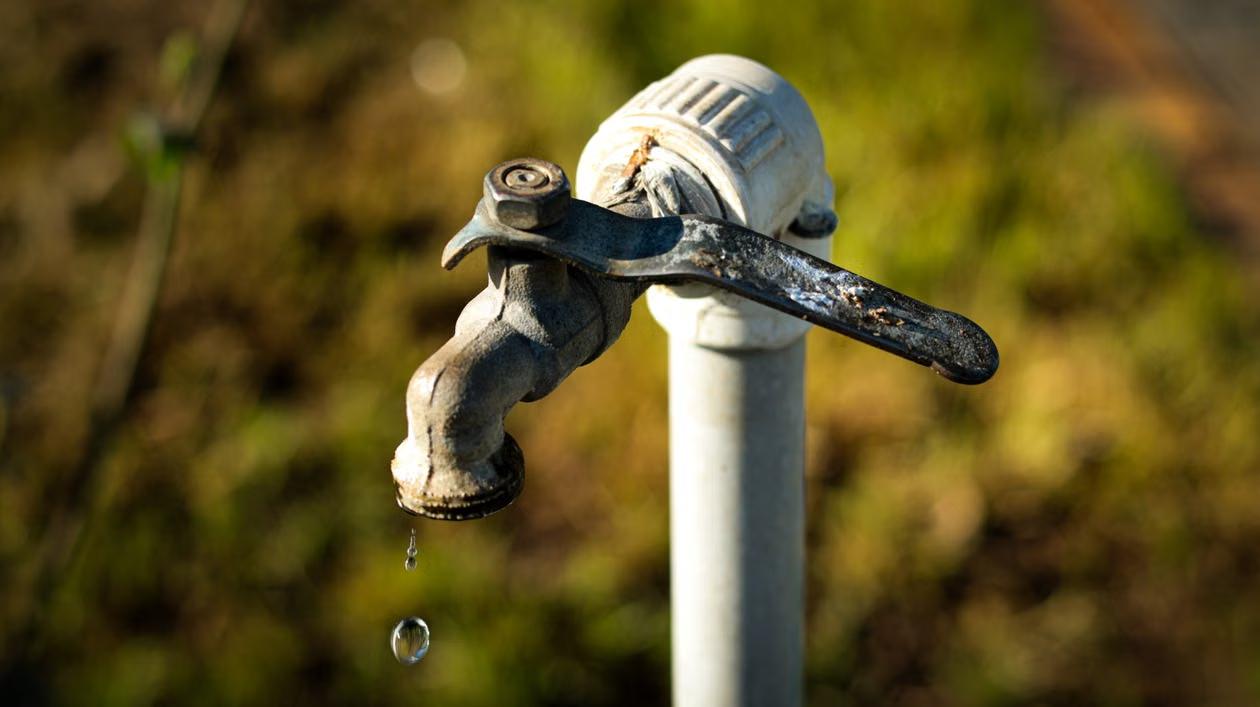
Shut Down Your Outdoor Faucets
Outdoor spigots freeze easily because the pipe feeding them passes through an exterior wall. Disconnect garden hoses first, since a connected hose traps water that can freeze back into the faucet. Then turn off the indoor valve that feeds that faucet, usually in the basement near the same wall, and open the outdoor faucet so the line drains.
Also locate your main shutoff, the valve that stops water to the whole house, and make sure everyone at home knows where it is. If a pipe bursts, closing that valve quickly can be the difference between a wet floor and a ruined ceiling. Together, these checks take a few hours and leave your home ready for whatever the season brings.
Want a Professional Set of Eyes Before the Freeze?
Some winter risks are hard to judge on your own, like a slow leak inside a wall or a water heater that is close to the end of its life. As a Germantown plumber, our team at Your 1 Plumber offers plumbing preventative maintenance that checks your pipes, valves, and fixtures, along with a water heater safety and performance inspection. Contact us to schedule a visit before the first hard freeze.