
A sump pump working at full capacity offers real peace of mind, right up until the moment it cannot keep up. Maryland homeowners who live in low-lying or flood-prone areas know that heavy rain and storm season are not hypothetical threats. They are seasonal realities that test basement waterproofing systems every single year. The problem is that most homes rely on a single primary sump pump with no meaningful backup plan for when that unit fails, loses power, or gets overwhelmed by volume. A battery backup sump pump changes that equation by adding a secondary layer of protection that activates precisely when the primary unit cannot. Here is why a single-pump setup falls short and what a dual-pump system actually delivers for Maryland homes.
What Happens When Your Primary Pump Fails
A primary sump pump is an electrical appliance, and electrical appliances fail, especially during the conditions that demand the most from them. Heavy storms bring power outages. Extended rain events push primary pumps to run continuously for hours, accelerating wear on motors and float switches. A pump that has been running reliably for years can fail without warning during the one storm that produces the most water.
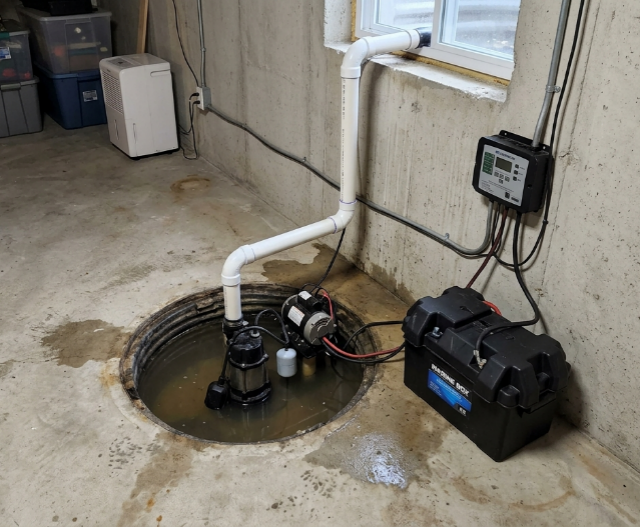
When the primary pump stops working, and there is no backup in place, water rises in the sump pit unchecked. Depending on the severity of the storm and the drainage conditions around the home, the water reaches the basement floor quickly. What follows is not just a cleanup problem; it is potential damage to flooring, drywall, stored belongings, mechanical systems, and the structural elements of the home. A professional backup sump pump service that installs and maintains a secondary unit eliminates that vulnerability before it becomes a crisis.
The timing of a primary pump failure is never convenient. It does not happen on a dry afternoon with easy access to a plumber. It happens at midnight during a severe storm when water is already moving fast. Homeowners who have not yet invested in a battery backup sump pump tend to discover that gap at the worst possible moment.
Why Battery Backup Alone Has Its Own Limits
A battery backup unit addresses the power outage problem effectively, but it introduces its own set of limitations that homeowners need to understand. Battery-powered backup pumps operate on a finite charge. During an extended power outage paired with a heavy and sustained rain event, the battery capacity gets depleted faster than many homeowners expect.
Most standard battery backup units are designed to handle a moderate volume of water over a limited runtime. When storm conditions exceed that threshold, which they do regularly in Maryland’s most flood-prone counties, a single battery backup sump pump working alone runs down its charge before the storm clears. That is the gap a dual-pump setup closes. With both a battery backup and a water-powered backup operating together, the system has redundancy built in at multiple levels, covering both power loss and high-volume overflow simultaneously.
Plumbers in Maryland who specialize in sump pump systems understand that no single unit covers every failure scenario. The dual-pump approach is not an upsell. It is an engineering response to the actual conditions Maryland basements face during storm season.
What a Dual-Pump Setup Actually Covers
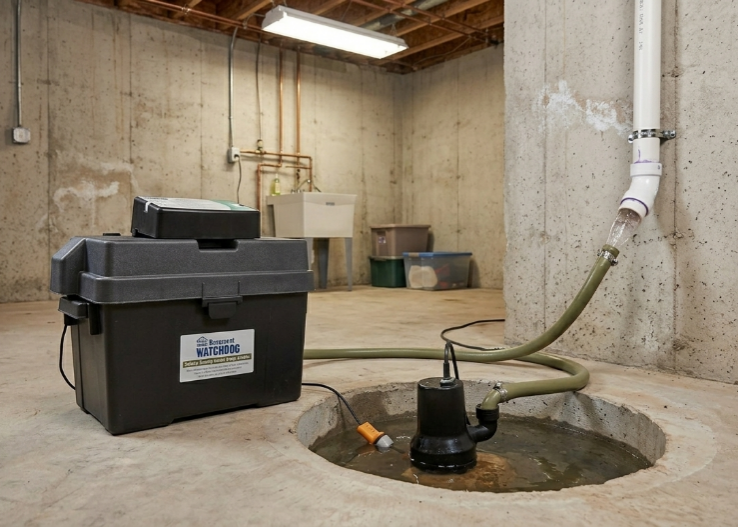
A properly configured dual-pump system addresses the three most common failure scenarios: primary pump mechanical failure, power outage, and volume overflow. The primary pump handles normal water accumulation. The battery backup activates during power loss. A water-powered backup unit, which operates using the home’s water pressure rather than electricity, provides an additional layer of coverage that does not depend on battery charge at all.
Plumbing installation services that include a full assessment of the sump pit, discharge line, and drainage conditions around the home ensure that the dual-pump configuration is matched to the actual demands of the property. A home on a flat lot in a high-water-table area has different requirements than one on a slope with moderate drainage, and the system design should reflect that. Plumbers in Frederick, Maryland, and surrounding counties bring that site-specific knowledge to every sump pump installation.
Beyond the pump units themselves, discharge line sizing and check valve placement affect how efficiently the system moves water out of the pit. Plumbing installation that accounts for these details from the start prevents backflow issues and ensures each pump operates within its designed parameters.
A plumber conducting a full sump system evaluation can also identify whether the existing pit size, inlet placement, and drainage slope support a dual-pump configuration or whether modifications are needed first.
Your 1 Plumber Builds Sump Systems That Hold Up When It Matters Most
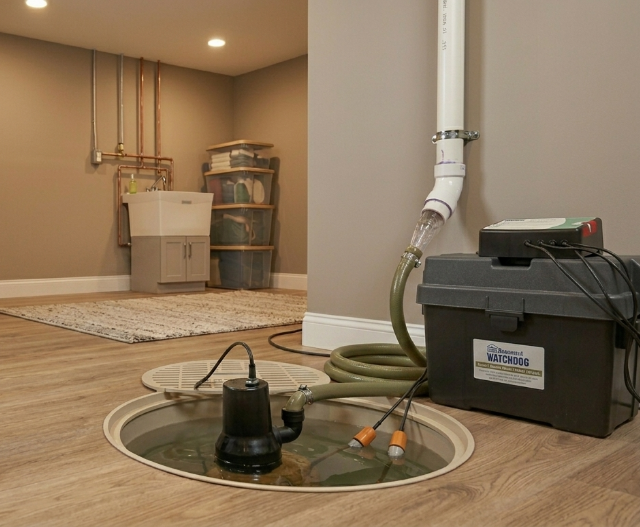
At Your 1 Plumber, our team evaluates every factor that affects basement protection, from pit conditions to discharge routing, and installs battery backup sump pump systems built for Maryland’s real storm demands. We serve homeowners across Frederick, Howard, Montgomery, and Prince George’s Counties. Contact us today and let our team build a sump system that keeps your basement protected when it matters most.