
Many homeowners assume that plumbing damage is automatically covered by insurance. While policies often include protection for sudden water incidents, they frequently exclude issues tied to wear, maintenance, or gradual deterioration. Understanding plumbing insurance coverage gaps helps homeowners avoid costly surprises when filing a claim after plumbing-related damage occurs.
Insurance policies are written to manage risk, not replace routine maintenance. As a result, damage caused by aging systems, pressure stress, or neglected components is often the homeowner’s responsibility, long before visible water damage appears.
Why Coverage Often Stops Short
Home insurance typically focuses on sudden and accidental events. Plumbing problems, however, tend to develop slowly behind walls and fixtures. When deterioration is discovered, insurers may determine that the damage resulted from preventable conditions rather than an unexpected incident.
Common exclusions often involve:
- Gradual component wear
- Corrosion-related failures
- Pressure-related system stress
Professional documentation from licensed plumbers can play a critical role in determining whether damage is considered sudden or long-term.
Maintenance Exclusions Most Homeowners Overlook
Insurance providers expect homeowners to maintain their plumbing systems. When inspections or upkeep are delayed, coverage may be limited or denied entirely.
Two areas frequently tied to maintenance exclusions include:
- Aging plumbing connections and water lines
- Water heater components are nearing the end of their service life
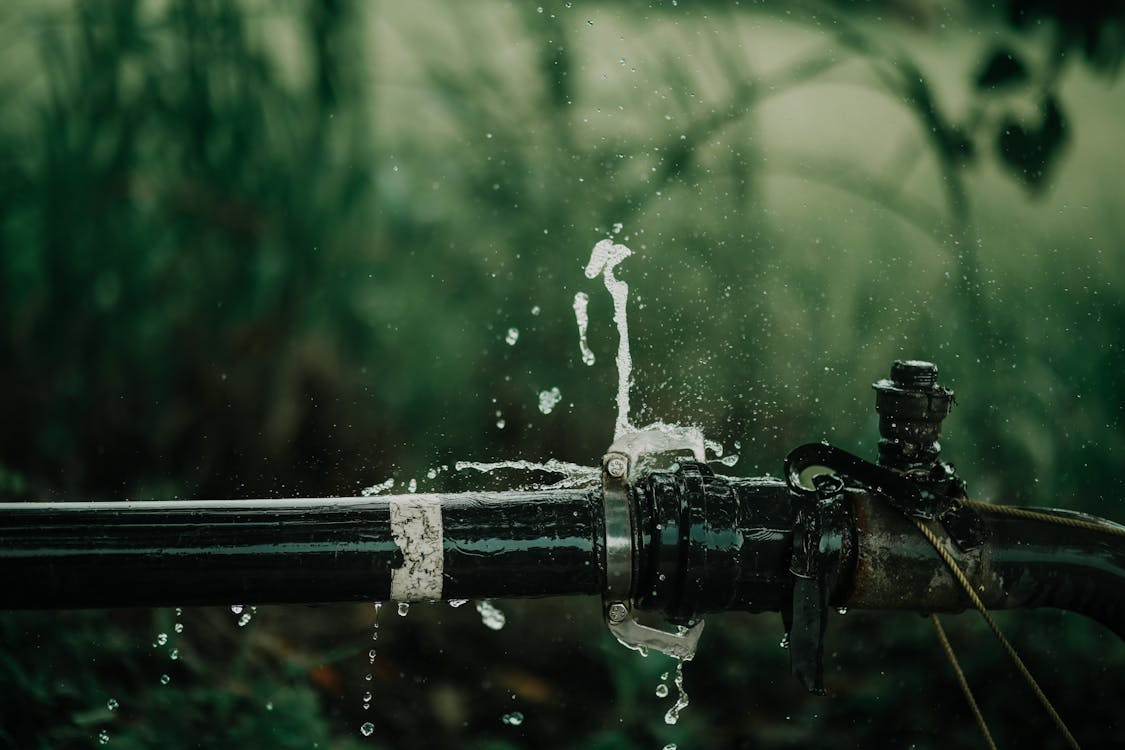
Regular evaluations by a water line repair expert or licensed plumber help demonstrate responsible ownership while identifying issues before they escalate beyond coverage limits.
How Plumbing Records Affect Claim Decisions
When plumbing damage occurs, insurers often request maintenance records or service history. Without documentation, it becomes harder to prove that the issue was unavoidable.
Maintaining service records from professional plumbing installation services or routine inspections strengthens claim credibility. In many cases, documented care shows that damage occurred despite reasonable preventive efforts.
Water Heaters and Insurance Limitations
Water heaters are commonly involved in plumbing-related claims, yet coverage is often limited. Insurers may deny claims tied to internal wear, mineral buildup, or aging components.
Homeowners may reduce risk by:
- Scheduling routine water heater service
- Addressing early performance changes through water heater repair
- Planning timely water heater replacement servicerather than waiting for failure
For electric systems, professional plumbing service helps maintain safe and documented operation.
Fixture Failures and Shared Responsibility
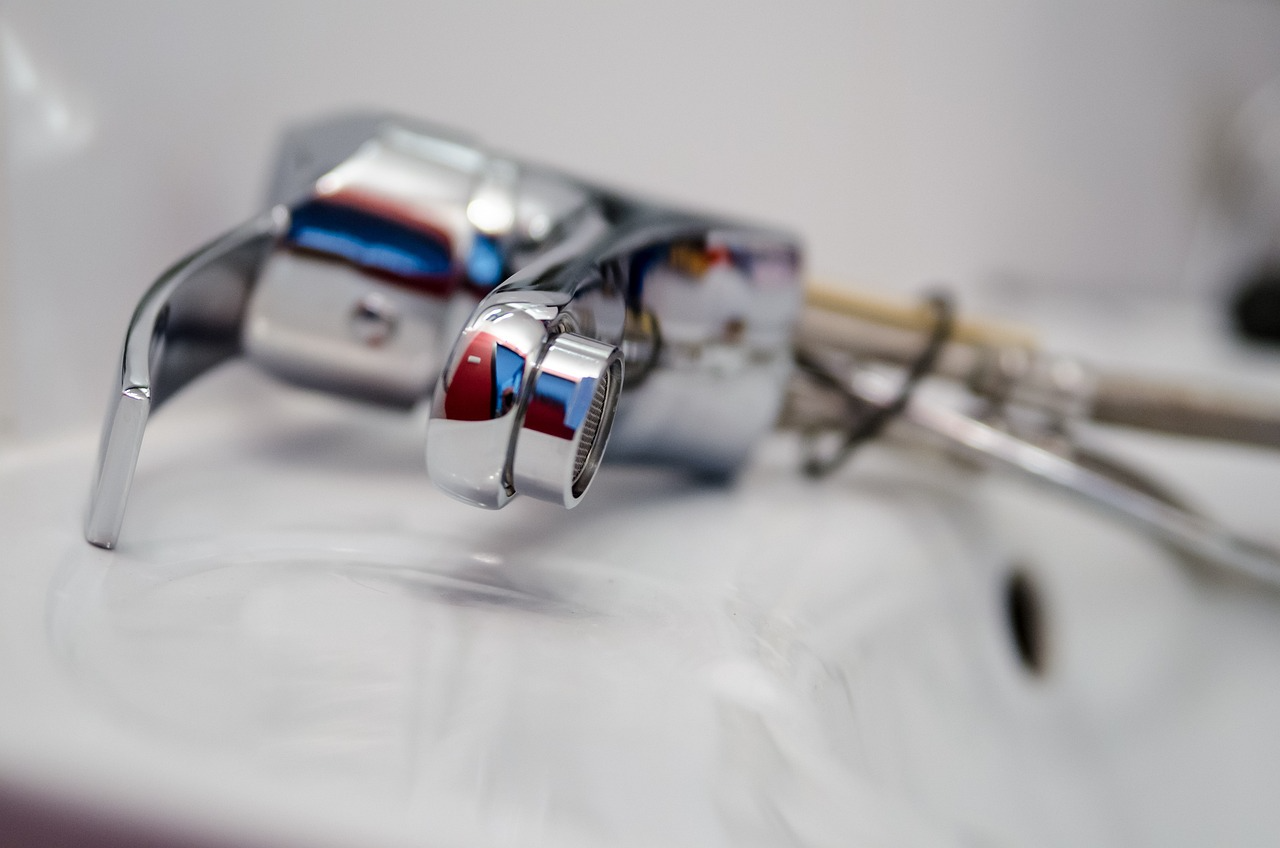
Insurance policies may cover damage caused by fixture failure, but not always the fixture itself. This distinction often surprises homeowners when replacement costs are excluded.
Strategic upgrades can reduce exposure, including:
- New faucet installation for aging fixtures
- Preventivekitchen faucet service
- Proactivetoilet replacement service to improve reliability
These improvements support daily performance while reducing the likelihood of claim disputes.
When System Design Impacts Coverage
Plumbing systems that no longer meet modern standards may raise concerns during insurance claims review. Factors such as pressure imbalance, outdated materials, or inadequate protective measures can influence how insurers evaluate responsibility for damage. Infrastructure updates connected to sewer repairs, along with protective planning supported by back-up sump pumps service, are often considered when determining system reliability.
System upgrades completed through professional plumbing installation help demonstrate that a home meets current performance and safety expectations. Regular system evaluations and timely updates can further strengthen coverage eligibility and reduce the risk of denied claims.
Why Preventive Care Matters More Than Coverage
Insurance is not a substitute for proper maintenance. Many plumbing-related issues fall into gray areas where coverage depends heavily on system condition and documented service history.
Working with experienced plumbers helps homeowners identify risks before damage occurs, maintain records that support potential claims, and reduce out-of-pocket repair costs. In many cases, preventive care costs far less than repairs that fall outside insurance coverage. Investing in regular maintenance not only protects your home but also provides peace of mind knowing your plumbing system is reliable.
Work With Professionals Who Protect Your Investment
Navigating plumbing insurance coverage gaps requires more than understanding policy language; it requires a well-maintained system and reliable documentation. Your1Plumber provides professional support through plumbing installation services, water line repair services, and system evaluations performed by certified plumbers.
By focusing on preventive care, transparent service, and long-term reliability, Your1Plumber helps homeowners in Silver Spring, MD, protect their plumbing systems while reducing insurance-related risks.
Insurance may not cover plumbing damage caused by wear or neglect. Schedule a professional inspection today to protect your home and reduce claim risks.